
How Rainier Dog Resort & Spa Doubled Daycare Prices and Prepared for Absentee Ownership
"We've just had our best month ever, and this month is projected to top it again."
That was the latest update from Kelli and Sam McEntire, owners of Rainier Dog Resort & Spa in Renton, Washington.
They've doubled their daycare prices, tripled the price of solo care, introduced new programmes, streamlined the way the business runs and watched demand go through the roof.
And soon, they'll be putting all that work to the ultimate test.
Kelli and Sam are preparing to move to Tennessee and run their Washington-based pet care business as absentee owners, which is quite the leap for a business that, in Sam's own words, they started "kind of on a whim."
When they first opened Rainier Dog Resort, there was no grand plan to build a company they could one day operate from another state. They were trying to keep the customers happy, keep the staff happy, look after the dogs properly and hopefully make a little money while they were at it.
The business was functioning, but it didn't have a clear direction.
A few years later, it barely resembles the business they started.
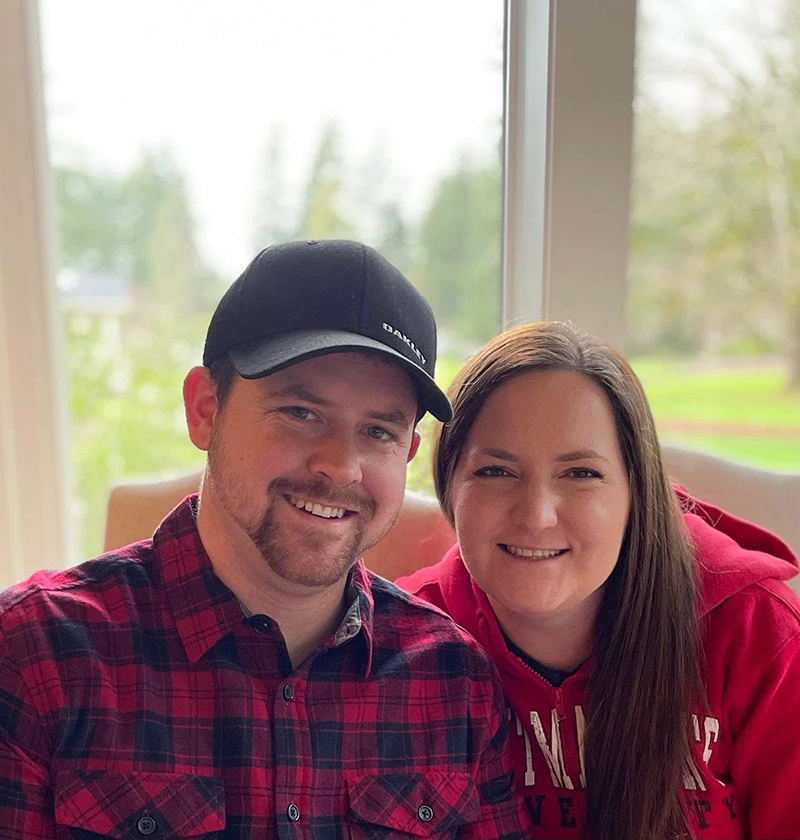
Before Rainier Dog Resort
Kelli and Sam already had plenty of experience between them when they moved into the dog daycare world.
Kelli worked as a veterinary assistant after high school before becoming a licensed veterinary technician, giving her a strong background in animal behaviour and wellness. Sam had worked in the tech industry and started several other service-based businesses, so he understood the commercial side of building and managing a company.
Their first animal-care business together came in 2014, when they purchased a 25-horse boarding facility in south King County. They successfully operated it for several years before shifting their attention from horses to dogs and opening Rainier Dog Resort & Spa in May 2022.
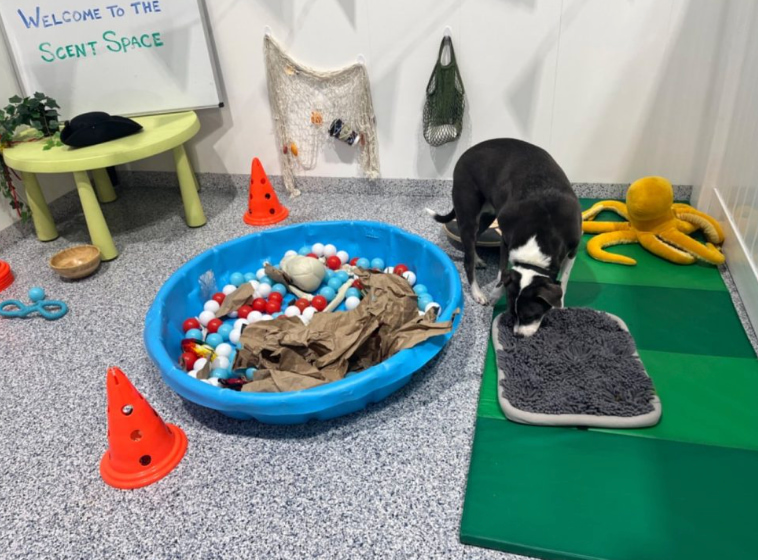
Rainier now offers enrichment-based daycare and boarding alongside dog training, bathing and cat boarding. Its model centres on personalised care, indoor and outdoor spaces, 24-hour staffing and different activities based on what each dog needs.
Kelli and Sam knew how to care for animals, they were willing to work and they wanted to build something meaningful. What they hadn't worked out yet was how to turn the new business into something focused, profitable and properly scalable.
They Were Floating Without a Clear Direction
When Kelli and Sam talk about the first two years, they don't pretend everything was part of some perfectly executed master plan.
"We were just kind of floating and making it work. We didn't have a lot of direction and a lot of goals. We were trying to keep the customers happy and the staff happy and make a little bit of money."
That is a VERY easy position to find yourself in as a pet business owner.
The business keeps you busy all day, so it feels as though you must be moving forward. You're answering customers, helping the team, dealing with the dogs, filling spaces and fixing whatever problem has appeared five minutes before closing.
Then you look up and realise you've spent another month working incredibly hard without making any of the decisions that would actually change the business.
Kelli described Rainier as feeling more like a hobby at that point, although both she and Sam were quick to explain that "hobby" probably wasn't the right word. They were putting real time and effort into it. They simply weren't yet approaching it with the structure and commercial intent needed to make it scalable.
Sam's version was slightly blunter.
"It was a joke kind of before, because we weren't taking it seriously."
He wasn't suggesting they were careless about the dogs. Kelli's background and the care model they built show quite the opposite.
They weren't taking the BUSINESS seriously enough.
There was a lot of effort going in, but no clear set of goals telling them where that effort should go next.
Eighteen Months Later the Business Was Unrecognisable
Kelli had already started listening to podcasts and reading books, which eventually led them to me and my world.
That was when they began to understand how much more there was to the business than opening the doors, filling the available spaces and making sure everyone went home happy.
They introduced enrichment into the daycare, developed additional programmes and implemented changes that Sam says brought "tremendous revenue" into the company. They also streamlined their processes and became more intentional about reviewing what was happening across the business.
What could work better for the dogs? Where were the team struggling? What would improve the client experience? And which part of the business was holding back the next stage of growth?
Those questions began shaping their decisions, and within 18 months, Sam said the difference was enormous.
"The business that we have now is completely different than the business we had 18 months ago. I mean completely different. It's not even recognisable."
Kelli and Sam had never been short of ideas. Kelli was already seeking out books, podcasts and training before they joined my coaching universe.
What changed was what happened AFTER they learned something.
The Goals Had to Leave the Notebook
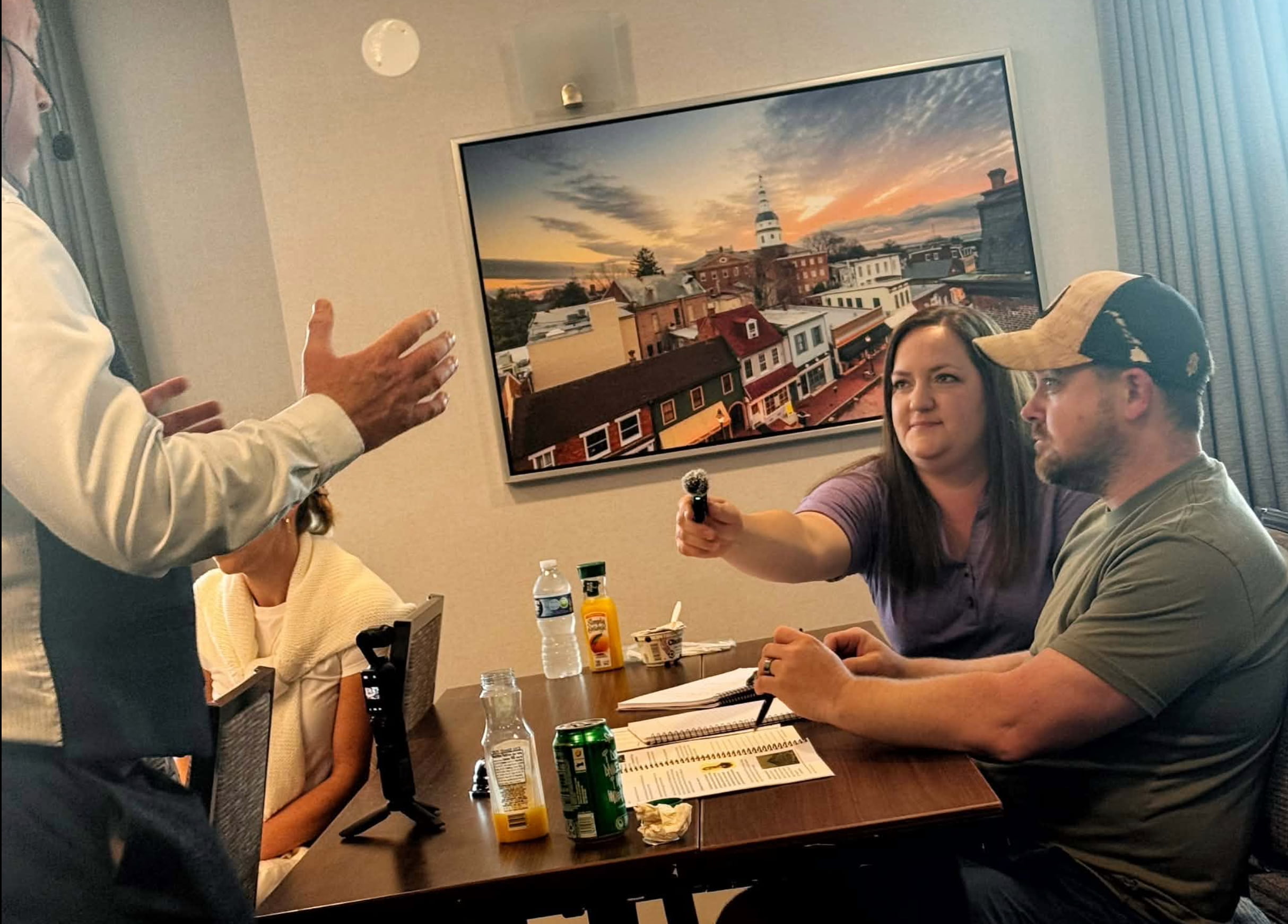
Sam believes one of the biggest problems with coaching programmes and business seminars is that people leave with plenty of ideas, but very little changes once they return to work.
They feel fired up for a few days, daily operations take over and the notes slowly disappear beneath everything else on the desk. He reckons that happens with around 90% of these programmes because there is no follow-through, follow-up or accountability.
Inside the mastermind, Kelli and Sam finished each session by writing down clear goals and sharing them with the group. When they returned, people asked what they had done.
"You have to actually take the action items and then do them. That's the whole point, right? We write out the goals, we state the goals to the group, and then when we come back, we're accountable for those goals."
Instead of returning with ten pages of possibilities, they returned with specific actions they had agreed to take. Then they followed through, reported back and decided what needed to happen next.
According to Sam, that process has helped them hit their financial goals and do more outside the business too.
And I know accountability is not the sexiest word in the world. Nobody is buying a mug with "please ask me whether I completed the uncomfortable task I've been avoiding" written across it.
But progress becomes much easier to measure when somebody remembers what you said you were going to do.
They Doubled Daycare Prices and Tripled Solo Care
One of the clearest examples of Kelli and Sam taking serious action was their approach to pricing.
After moving Rainier into a new facility in December, they doubled the price of daycare and tripled the price of solo care.
That is the kind of increase many pet business owners would struggle to say out loud, never mind announce to their customers.
Owners often assume the only safe option is to increase prices slowly, apologise profusely and hope nobody notices.
Meanwhile, the cost of staffing, facilities, training, insurance and delivering a higher standard of care continues climbing whether the business is ready to charge for it or not.
Kelli and Sam made the bigger move.
"We moved to a new facility in December and, with Dom kicking our ass, we doubled daycare prices and tripled the price of solo care. Demand is through the roof!"
The demand didn't disappear. According to Kelli, it went through the roof.
Now, that does not mean every pet business should log into its booking system this afternoon and triple everything because Kelli and Sam did.
Rainier's previous pricing did not reflect the service they were developing or the business they wanted to build. They were introducing enrichment, improving the client experience, developing the team, investing in the facility and creating the systems that could eventually allow them to step away from daily operations.
All of that has to be paid for.
A full diary might make you feel successful, but if your prices cannot support the staff, service and infrastructure behind it, you have built yourself a very busy problem.
Rainier increased its prices to support its next stage of growth. At the time of their latest update, Kelli and Sam had recorded their best month ever, with the following month projected to perform even better.
Kelli Grew Into the Leader the Business Needed
The numbers are a big part of this story, but the changes inside the business also demanded something different from Kelli.
She described herself as naturally passive and shy. As Rainier grew, she needed to become more confident speaking with clients, managing the team and leading the company.
"This has really helped me come out of my shell a lot. Personally, it's made me a better boss, better working with clients, more confident talking with people and making the experience better for the clients."
Sam has watched that change happen beside her.
"Kelli's transformed a lot in this role. She has completely stepped into it and done amazing. I think people wouldn't have thought 18 or 24 months ago that she had that in her."
Business growth has a habit of exposing the areas where the owner needs to grow too.
The company may need better pricing, stronger systems or new managers, but those decisions still have to be led by somebody. If the owner avoids difficult conversations, second-guesses every change or remains the person everybody depends on, the business eventually reaches the limit of what that version of the owner can manage.
Kelli developed her confidence by doing the work, receiving feedback and repeatedly stepping outside her comfort zone. The result has been a more capable leader and, according to Kelli, a better experience for Rainier's clients.
Why They Needed More Than Advice From Me
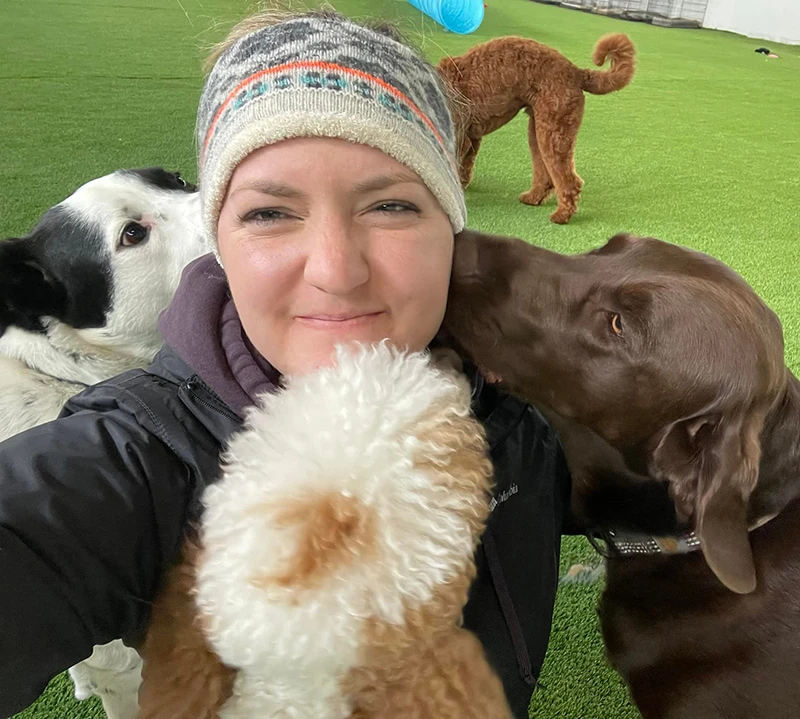
Kelli and Sam also talk about the value they received from the other business owners in the mastermind.
Rainier has one location. Some members operate several locations and deal with challenges Kelli and Sam may encounter as they continue to scale. Other members are running smaller businesses and facing problems Rainier has already worked through.
That means they can learn from owners who are further ahead while sharing their own experience with people coming up behind them.
"We get to see where we were and help them, but we also get to see where we want to go and have them help us."
That exchange is particularly valuable during the hot-seat sessions, where one member sits in the middle of the room, explains what they're working through and invites feedback from everybody else.
It sounds intimidating, and Sam expected it to feel that way. Once he experienced it, he decided it was probably the best part of the meeting.
Kelli said the friendships, camaraderie and consistent feedback have pushed them to consider things they wouldn't have thought about on their own. Sometimes they walk into the discussion expecting one answer and hear something completely different.
Which is usually when the feedback becomes most useful.
Dom Does Not Care About Flattering You
Kelli describes me as blunt, especially when it comes to the goals members committed to during the previous meeting.
"He wants you to be accountable for what you've done in the last three months, but that's a strength too. He doesn't want us to waste our time or waste his time. He wants it to be a complete group collaboration where everyone's benefiting."
Sam was even more direct.
"Dom does not care about flattering you at all."
He explained that when they share something that has gone well, the response is rarely limited to congratulations.
"It's like, 'We just did this thing and it's great,' and he's like, 'That's awesome. Now what are you going to do? How are you going to make it better?'"
For Sam, that is one of the biggest differences between working with me and the more motivational style of business coaching.
"There is no blowing compliments and trying to make you feel good about anything. We're in a business. We're in this to make money, improve efficiency and get to where you want to go. So what have you done? What's working? That's great. Let's do it better."
And just in case anybody was hoping the mastermind involved more hand-holding and group singing, Sam cleared that up too.
"We're not here to hold each other's hands and sing. Let's get down to it and get results. That's one of the big differentiators with Dom. He is just results-driven."
Their promotional videos are a good example. Kelli and Sam had begun producing high-quality videos for Rainier, but when they brought that progress into the room, the conversation quickly moved to how consistently they were publishing them.
"We were in there and he goes, 'Great, you're getting videos out and they're high quality. How many are you getting out?' And it's like, 'We're getting out one, and it's good.' And he's like, 'Not good enough. We need to get more out.'"
Sam says there may be 10,000 different things they could improve in the business, but the value lies in narrowing those possibilities into a clear direction.
"He channels it into one direction. We're moving forward all the time. Even though you think you're doing great, and you are doing great, you can do better. You're focused. You're driving forward."
That focus has helped Kelli and Sam build on what works without being pulled in 10,000 directions at once.
The Real Test of Everything They Have Built
Kelli and Sam are now preparing to move to Tennessee and become absentee owners of Rainier Dog Resort.
It is an incredible achievement when you consider how recently they described themselves as floating through the business without clear goals.
The early version of Rainier was started on their property and relied heavily on their daily involvement. The current version has clearer goals, better systems, additional revenue-generating programmes, stronger pricing and owners deliberately preparing the company to operate without them in the building.
Of course, becoming an absentee owner does not mean becoming an absent leader.
The business will still need strong managers, documented processes, financial oversight and a team that understands how to make decisions without referring everything back to Kelli and Sam. Moving to another state will show them where those systems are strong and where the company still depends on them too much.
But that is a very different challenge from the one they brought into the room at the beginning.
They are building a company capable of giving them choices.
What This Means for Your Pet Business
Working hard does not automatically give the business direction
Kelli and Sam were already putting plenty of effort into Rainier. What changed was their ability to turn that effort towards clear goals, then follow through on the actions that would move the business forward.
A full working week can tell you the business is busy. It cannot tell you whether you are building the business you actually want.
Your prices have to support the service you want to deliver
Rainier was developing a more personalised, enrichment-focused service, introducing new programmes and improving the experience for its dogs, clients and team.
When Kelli and Sam doubled daycare prices and tripled solo-care prices, demand went through the roof. The size of the increase may have felt risky, but remaining underpriced would have restricted what the business could become.
Strong demand does not necessarily mean your pricing is right
Being busy feels reassuring, especially when you can see competitors charging less. But strong demand can also indicate that the price is too low for the capacity available.
If the daycare is full while the team is stretched and the profit does not reflect the workload, celebrating the full diary may be slightly premature.
The value of coaching appears in what you implement
Kelli was already reading books and listening to podcasts before joining the mastermind. The larger change came when their ideas became written goals they shared with the group, acted on and were expected to report back on.
You can leave an event with fifty excellent ideas and still return to exactly the same business next quarter. The result depends on what happens after the notebook closes.
Growing the company may require the owner to grow first
Kelli's increasing confidence helped her become a better boss, communicate more effectively with clients and improve their overall experience.
As a company grows, the owner is asked to make more expensive decisions, lead more people and have conversations they may previously have avoided. The next stage of the business often requires a different version of the person running it.
The value of coaching appears in what you implement
Kelli and Sam are preparing to move from Washington to Tennessee while continuing to own Rainier Dog Resort.
The move will require strong management, reliable processes, financial visibility and a team capable of operating without them being physically present every day.
Rainier began as a business Kelli and Sam were making work on their own property. They are now preparing it to perform while they live in another state.
What Could Your Business Look Like 18 Months From Now?
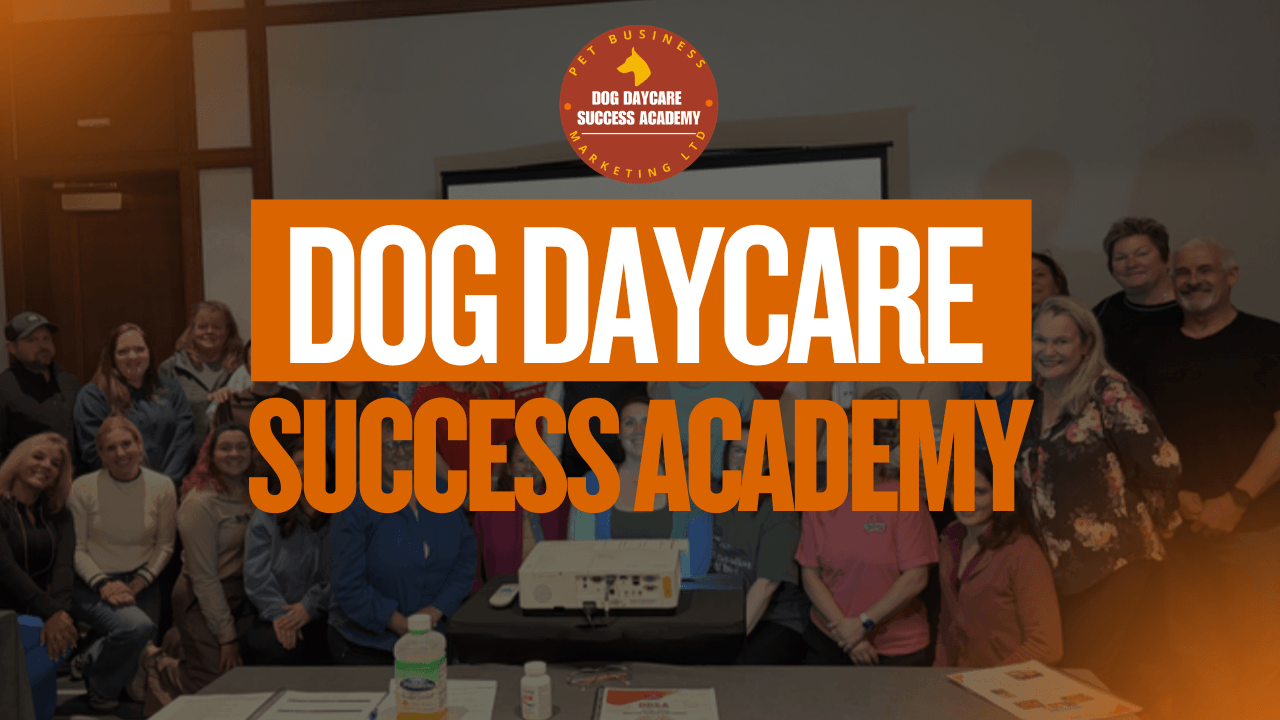
The problems Kelli and Sam faced are the same kinds of problems we work through inside the Dog Daycare Success Academy.
Maybe your prices no longer support the standard of service you want to deliver.
Maybe you have plenty of ideas but struggle to decide which one deserves your attention first. Or perhaps the business is growing, but every new customer, employee or service seems to create more work for you personally.
DDSA gives ambitious dog daycare and pet care business owners the direction, accountability and industry-specific support needed to work through those decisions.
Kelli and Sam listened to the feedback, made the changes and followed through. Now they are recording their best results while preparing to run the company from another state.
As Sam said:
"If you're serious about growing the business and you want to apply the training and information you're getting, then join the Elite programme, for sure."
If you are serious about building a more profitable, scalable and owner-independent pet business, take a look at the Dog Daycare Success Academy.
Join the Top Dog Top Dollar Dispatch: My Weekly Sunday Briefing to Help You Command Premium Rates and Dominate Your Local Pet Market.
Every Sunday, I deliver the unfiltered marketing and operational blueprints I've used to help 2,500+ frustrated dog daycare owners, to stop running a low-margin facility and start building the most expensive (and most wanted) pet destination in town.
Author: Dom Hodgson
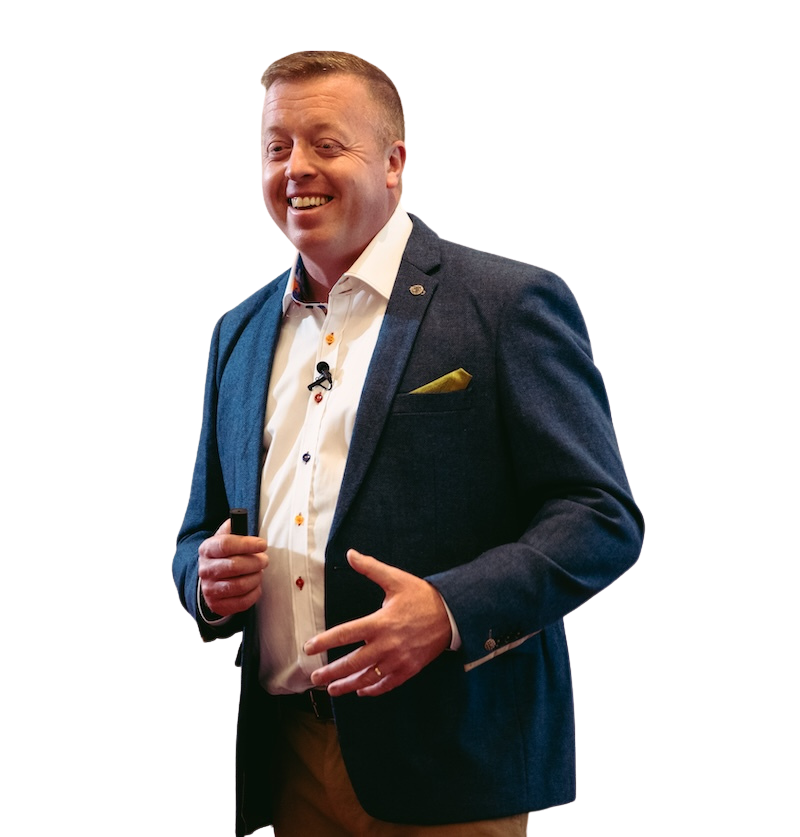
Dom Hodgson is known as 'The Pet Biz Wiz', and is widely regarded as the world's leading pet business coach and marketing strategist.
Author of 9 books, Dom is a much in demand speaker at pet business events all over the world. His mission is to help struggling pet business owners to unleash their potential, so they can create a super profitable, impactful, and industry enhancing business.
