
How King Style Dog Resort Added $14K in Enrichment Revenue and Turned VIP Boarding Into 22% of Sales
Quick Summary: Tara and Skylor Kingrey opened King Style Dog Resort in 2023. After implementing Enrich U, they reported approximately $14,000 in additional enrichment revenue. They also introduced a higher-priced VIP boarding tier, which accounted for 22% of sales at the time of their Boston DDSA Immersion interview. By the Milton Keynes Immersion, they were reporting further revenue growth, improvements with the dogs and a happier team. Here's how they put the coaching into practice and what changed inside the business.

Eight hours away from home, Tara and Skylor Kingrey got the call no pet owner wants.
Their dog wasn't doing well at the boarding facility they'd trusted her with. She'd stopped eating. She had bloody stools. She'd soiled herself. And according to Tara and Skylor, nobody from the facility had contacted them while any of this was happening.
Eventually, they were told they needed to come and get her and take her to a vet.
King Style Dog Resort wouldn't exist for several more years, but I think that experience tells you a lot about the business Tara and Skylor eventually built.
King Style Dog Resort wouldn't exist for several more years, but I think that experience tells you a lot about the business Tara and Skylor eventually built.
They've been the worried owners on the other side of the counter. They know what it's like to leave your dog in somebody else's care, drive eight hours away and trust that if something isn't right, somebody will tell you.
Today, they're running King Style Dog Resort in Joplin, Missouri. What started as a side business has grown into boarding, daycare, grooming and training, with a team they've invested heavily in developing.
But growing King Style created a different challenge.
Tara and Skylor weren't short of ideas.
They could see things they wanted to change and opportunities they wanted to pursue. The sticking point was turning all of that into a clear plan and deciding what needed their attention first.
"We know this needs to happen, but we're not like making the steps as much as we would like to see."
— Tara Kingrey
And that's where our work together became useful.
On one of our coaching calls, I went through the business with them, pointed out some of the holes I could see and gave them specific things to work on.
Then they went away and did them.
That last bit sounds ridiculously obvious, but anyone who's spent time around business education knows it isn't. There are plenty of people with notebooks full of good ideas from courses, conferences, podcasts and coaching calls. Tara and Skylor aren't particularly interested in collecting ideas for the stationery cupboard.
Skylor describes them as "action people."
And they are.
One of the things they implemented through Enrich U has since generated approximately $14,000 in additional revenue.
Then, after another coaching call exposed an opportunity in their boarding business, they introduced a higher-priced VIP suite that now accounts for 22% of their sales.
We'll get to both of those.
Because the numbers are cracking results, but they make much more sense when you understand the two people behind them.
From Five Dogs to a Dog Resort
Tara and Skylor didn't come home from that awful boarding experience and immediately decide to open a pet resort.
King Style came years later.
Skylor had always wanted to work with animals, and eventually a close friend and mentor suggested they think seriously about starting a dog business. They had the property for it. They certainly had the enthusiasm for it.
And they already had five dogs of their own.
Apparently Skylor and their daughter were quite happy to keep increasing that number too.
Tara had another idea.
"Why don't we be doggy grandparents? We can love on everybody else's dog, spoil them, and then they go home and their parents can pay their vet bills."
— Tara Kingrey
Hard to argue with the economics of that.
So what began as a small side business grew.
Today, King Style offers boarding, daycare, grooming and training. Their team is certified in pet first aid and CPR, dog behaviour, body language and group play, and Tara and Skylor describe their mission as creating a safe, structured and enriched home away from home for the dogs in their care.
The original reason behind the business hasn't disappeared either. That first boarding experience taught them what poor communication feels like from the client's side. Now they're responsible for making sure somebody else's family never feels the way they did.
But as King Style grew, the questions Tara and Skylor had to answer changed.
It wasn't simply, "How do we take brilliant care of these dogs?"
Now they had a team to develop, services to improve, revenue opportunities to consider and a bigger vision for what King Style could become.
And when you've got ten things you know could improve the business, the difficult bit isn't always finding number eleven.
It's knowing which one to do first.
The Price Change They Made From a Hotel Room
Tara and Skylor first met me in May 2025 at the Pet Boarding Expo.
They'd shut King Style for the week so they could attend the event. And before they'd even made it home, they decided to act on what they'd learned.
They were in their hotel room when a client called to make a reservation.
Skylor took the call. Tara went into their system and changed the prices.
Right there, while he was still taking the booking... the client accepted the new rate.
Tara looked at Skylor and said: "It's working already."
Now, it would have been very easy to go home, get swallowed by the day-to-day running of the business and promise themselves they'd look at the pricing "when things calm down."
Which, as every business owner knows, is a mythical date located somewhere between next Tuesday and never.
Instead, they changed the price. A customer paid it.
And Tara and Skylor got immediate proof that the old rate wasn't fixed by law, gravity or the will of the pet care gods.
They could change it.
That experience led them to further training, Enrich University and Diamond coaching, before they joined Dog Daycare Success Academy in February 2026.
By then, they'd already seen what happened when they put the advice into practice. So joining DDSA wasn't a leap into the unknown.
When we caught up at the Milton Keynes Immersion, they explained the decision:
"We ended up joining DDSA from there because we saw an increase in our revenue, and we were like, 'This is a no-brainer.'"
They'd tried it. They'd seen it work. Now they wanted to keep building.
"Hold My Hand and Tell Me What to Do"
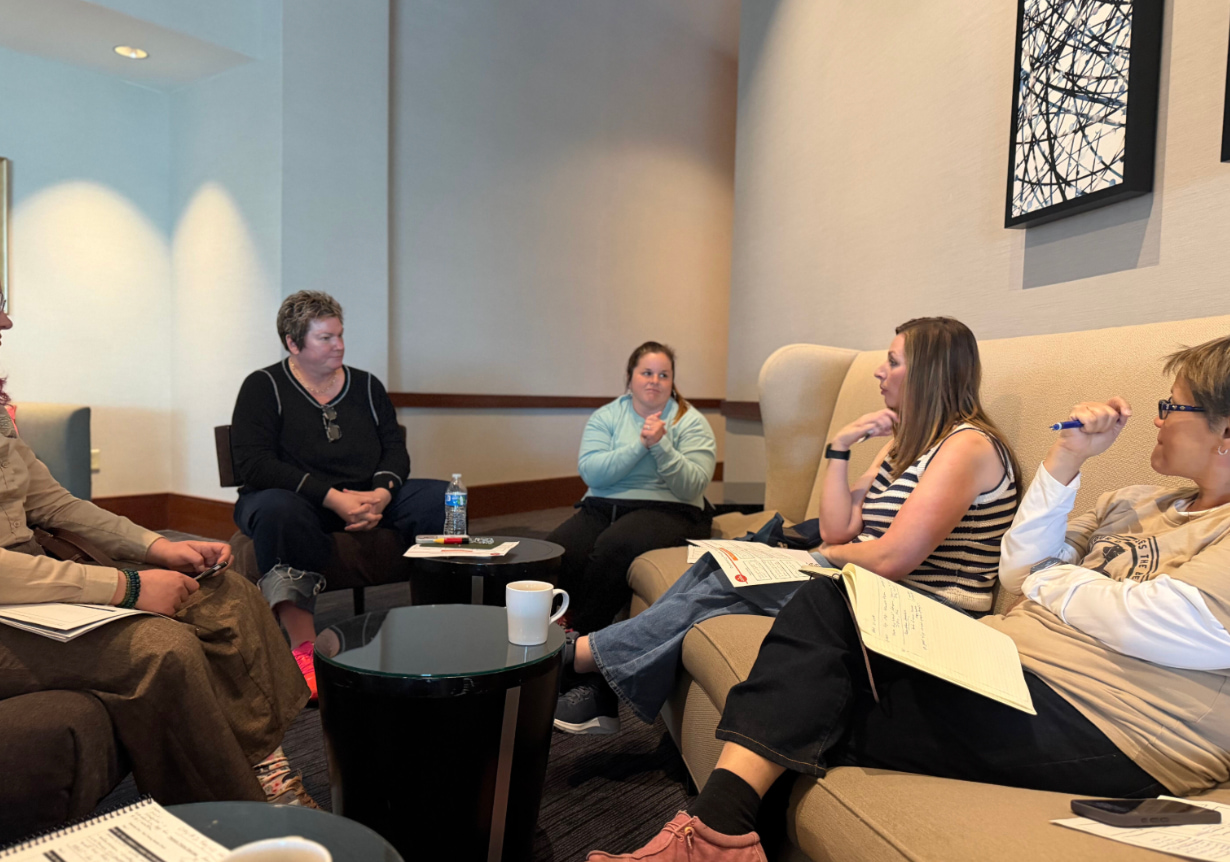
This is probably my favourite line from Tara's interview:
"Hold my hand and tell me what to do and I'll do it."
— Tara Kingrey
Now, taken out of context, that could sound like Tara wanted somebody else making the decisions for her.
Quite the opposite.
What she and Skylor wanted was clarity.
They were already willing to do the work.
There were just things they knew needed implementing where they weren't yet sure what that implementation should look like.
That's one of the benefits of having somebody outside your business look at it.
When you live inside the same operation every day, you get very good at adapting to its quirks.
The awkward process you've been working around for six months stops looking awkward. The revenue you're leaving on the table isn't particularly obvious because you've never collected it. And the thing you think is the big problem sometimes isn't the thing I'd fix first at all.
Skylor put it simply:
"You don't know what you don't know."
— Skylor Kingrey
My job isn't to make every decision for Tara and Skylor. It's to help them see what they can't see from where they're standing, give them something useful to act on and then look at what happens when they do.
And this is where working with these two gets fun.
They actually implement.
"He'll identify those action steps. Then we take the action and then we see the growth."
— Skylor Kingrey
That's exactly it.
On another coaching call, I identified several things I wanted them to change.
They implemented them and, according to Skylor, were already seeing an improvement within about a month.
No twelve-month transformation montage required.
Find the problem. Decide what you're going to do about it. Do it. Then look at what changed.
And one of the clearest examples of that approach came when they implemented Enrich U.
Because this time, they didn't just see an improvement.
They could put a number on it.
The Enrich U Implementation That Added Around $14,000
By the time we recorded their earlier interview at IMPACT 2026, Tara and Skylor had already worked with me through Diamond coaching and Enrich U.
And when I asked what kind of results they'd seen from putting that work into practice, Skylor had a pretty straightforward answer.
They started implementing Enrich U in July.
"We started in July, implemented it in July, and then it was like $14,000... brought in just from that."
— Skylor Kingrey
Around $14,000 in additional revenue from something they'd only started implementing a few months earlier.
That's a cracking result.
And when we caught up with them again at the Boston DDSA Immersion, Tara added some useful context.
King Style's daycare still isn't particularly big. At the time they implemented Enrich U, the business had only recently reached the two-year mark.
"We made like $14,000 off of just enrichments, and our daycare's not that big yet."
Tara Kingrey
'Yet' being the important word there. Tara and Skylor weren't sitting on an enormous daycare operation with several locations and an endless supply of dogs.
They took the business they had, applied what they'd learned and generated around $14,000 from enrichment.
And that made them think differently about what might be possible as King Style grows.
"If we can make that off of a little, then imagine what we can make when we pay a little more. We can make a lot more." - Tara Kingrey
But what Tara said in their earlier interview is just as important:
"You see the results in your finances when you're tracking properly what's working and what's not."
— Tara Kingrey
And she's right.
It's very easy to introduce something new into your business, see clients enjoying it and decide it must be working.
But did it actually make you any money? Was it worth the time it took your team to deliver? Are people buying it once because it's new, or have you created something they'll continue paying for?
Tara and Skylor could answer those questions because they were looking at the numbers.
And when Tara looked at what they'd spent on Enrich U compared with what they'd already generated from implementing it, her conclusion was pretty simple: they'd already made back far more than they'd invested.
Skylor made the same point when we spoke to them again in Boston.
"We've already seen it pay off. We already saw the fruit of what we'd experienced before. The coaching and the wisdom that Dom has sown into us has paid dividends." - Skylor Kingrey
More importantly, these weren't ideas they could only use once.
They could continue applying them throughout the life of the business.
That's the bit I'd want another daycare owner to pay attention to.
The $14K makes a great headline, obviously.
But when we caught up again at the DDSA Immersion in Milton Keynes, Tara and Skylor talked about what else had changed inside King Style.
"We see a huge improvement with the dogs. Our team is happier, which is great. Our revenue has increased dramatically."
That adds something important to the earlier figures.
You want enrichment to earn its keep. Of course you do. But you also want to see a difference in the dogs you're caring for, and you want your team to enjoy delivering it.
For a look at how King Style approaches enrichment inside the business today, read their piece on Why Enrichment Is Essential for Every Dog and How We Do It at King Style.
The VIP Boarding Tier That Grew to 22% of Sales
The enrichment result wasn't a one-off moment that Tara and Skylor applauded and then filed away. By the time we caught up with them at the Boston DDSA Immersion, they had another number to share.
On one of our coaching calls, I was looking at the holes in the business and the opportunities King Style hadn't yet taken advantage of. I told them they needed another tier for boarding. Their response was fairly reasonable.
"What does that actually look like?"
So, we talked through a VIP suite.
What would be included?
Why would a pet owner choose it?
How would King Style make it feel meaningfully different from the standard boarding option?
And what should they charge for it?
Tara and Skylor introduced the VIP suite at a considerably higher price than they would have charged before.
The result speaks for itself.
"Now 22% of our sales are VIP suite, selling it much higher than what we would've charged before."- Tara Kingrey
Twenty-two per cent of their sales. Already.
And Skylor's explanation for why clients choose it is wonderfully simple: "When you mention it, people are just like, 'I want the best for my dog.'"
This is the bit pet business owners regularly make more complicated than it needs to be.
Not every client is looking for the cheapest possible option.
Some of your clients want the best experience you can offer their dog.
They may already be willing to spend more with you.
But they can't buy the premium experience if you haven't created one.
And they won't understand why it's worth more if all you give them is a longer list of tasks your team will perform. The offer has to mean something to the client.
What does their dog receive?
How will that make their stay better?
Why is this different?
Why should the owner care?
King Style didn't simply add more work, stick "VIP" on the name and hope for the best.
They created an option for the client who wants something more. Then they priced it properly. And people chose it.
The 22% matters because it shows the $14,000 enrichment result wasn't the one lucky idea that happened to work. Tara and Skylor took the same way of thinking into another area of the business.
Look at what the client values.
Find the opportunity.
Create the offer.
Charge properly.
Measure what happens.
That's how you stop relying on one successful service and start building a more valuable business.
Building King Style Beyond Tara and Skylor
The $14,000 from enrichment and the VIP tier accounting for 22% of sales are excellent results to point to.
But Skylor is thinking much further ahead than the next revenue win.
When he talked about what he wants from coaching, he described the kind of owner he wants to become: someone who can set the vision for King Style, put the right things in place and trust the team to carry that vision out.
That's a big transition for any owner.
When you start a pet business, you're usually involved in everything because you have to be. You know the clients. You know the dogs. You know why things are done a certain way because, half the time, you're the person who decided to do them that way in the first place.
Then the business grows.
More dogs. More staff. More services. More decisions.
And eventually you have to decide whether you're going to keep being the person who makes everything happen, or build a business where other people can make things happen without you.
That's the direction Skylor is thinking in.
At the Boston DDSA Immersion, Tara and Skylor had the chance to sit down and work through their goals and vision for the business. They both believe in goal setting.
They usually do it, but this was the first year they hadn't completed that work yet.
Being given the time and structure to finally sit down and do it brought an immediate sense of relief.
Being given the time and structure to finally sit down and do it brought an immediate sense of relief.
"Now we have clarity. We have direction. We know where to go." - Tara Kingrey
Skylor took the conversation further. For him, a vision can't simply remain an idea rattling around inside the owner's head. If you want other people to help you build it, you have to write it down and make it simple enough for them to follow.
"When we buy into it, it's like, 'Okay, that's how we see ourselves. Then let's go to work to make that happen.'" - Skylor Kingrey
This is important when you're trying to build a business beyond yourself.
Your team can't carry a vision they've never been given. They can't make decisions in line with a destination nobody has explained. And they certainly can't help you build the next version of the business if the entire plan only exists in your head.
Part of getting there, in Skylor's words, is also accepting: "You don't know what you don't know."
That's why he values having somebody outside King Style who can look at the business differently, identify what needs attention and give them something concrete to work on.
Because Tara and Skylor don't seem to have much trouble with the doing part.
Once they know where to focus, they move.
But learning what that next stage could look like hasn't only come from our coaching calls.
It also comes from the people they've met along the way.
Getting in the Room With Owners Further Down the Road
One of the things Tara talked about at IMPACT was the value of meeting other pet business owners who had already been through some of the stages King Style is approaching now.
Instead of trying to figure every stage out from scratch, she could hear what other owners had done, how they'd implemented it and what their businesses looked like on the other side.
As Tara explained:
"We've gotten to hear other people's stories and what they've implemented. And they've already been through where we're going."
— Tara Kingrey
That's a huge part of why I run events like IMPACT and our DDSA Immersions and bring business owners together in the first place.
Of course I want you to learn from me.
But sometimes the conversation over coffee with somebody who's already solved the problem you're currently wrestling with is worth just as much as something you scribbled down during a presentation.
And Skylor noticed something interesting happening in those rooms.
King Style only opened in 2023. Yet they were meeting people who had been in the industry for considerably longer and finding that the learning wasn't always flowing in one direction.
Skylor said:
"There's people that have been in this business for 20-30 years, and they're asking us questions about, 'Hey, what are you doing here?'"
— Skylor Kingrey
That's quite something when your own business is only a few years old.
And Tara followed it with:
"We feel ahead of the game."
— Tara Kingrey
Not ahead because they know everything.
They're the first people to tell you they don't.
They're ahead because they found the right education and the right people early enough to start asking better questions about King Style before ten or twenty years of "this is how we've always done it" had a chance to settle in.
And importantly, they've actually USED what they've learned.
At the Boston DDSA Immersion, we saw another practical example of what happens when you put owners with different experience in the same room.
King Style currently offers solo play and is preparing to introduce group play. That's a significant change.
There are decisions to make about the dogs, the environment, the team, the structure of the day and how the programme will operate.
Tara and Skylor could attempt to figure out every part of it alone.
They could make the mistakes.
They could discover what doesn't work.
They could pay for every lesson personally.
Or they could ask people who already have experience in the area.
During the hot seats in Boston, they were placed with owners who could give them practical input about group play and how it worked inside their own facilities.
And the useful bit was that not everybody did it in exactly the same way.
"Each facility did things a little bit different, so I can almost cherry-pick what I like from this one." - Skylor Kingrey
That's how you use somebody else's experience properly.
You don't blindly copy their business and assume it will work inside yours.
You look at the different approaches.
You ask why they do it that way.
You find out what worked, what didn't and what they learned.
Then you take what makes sense for your own dogs, team, building and business.
As Tara explained: "We don't have to go and learn it the hard way. We don't want to learn the hard way."
Quite right too.
You do not receive a special medal for discovering every expensive lesson yourself.
But the value of the room didn't only flow towards Tara and Skylor.
Another attendee had a question about their website.
Tara has worked in marketing for 20 years, so she could help.
"Had our group not been put together that way, maybe she wouldn't have gotten that help." - Tara Kingrey
That's where I think the combination becomes powerful.
Tara and Skylor get access to ideas, experience and other owners who are further down the road. They bring what makes sense back to King Style, implement it and see what happens. Then they come back into the room with experiences of their own to share.
And the room benefits from that too.
Tara summed it up brilliantly:
"There are people here that are brand new to the business. There are people here who have six facilities, and everybody is benefiting from it. From the small fries and the new guys to the big guys making the big bucks."
That's how a useful business community should work.
Not one guru at the front of the room pretending to have descended from the mountain with all the answers.
You've got people at different stages, solving different problems, comparing notes and shortening the learning curve for each other.
Why They Keep Coming Back
There's another reason Tara and Skylor have continued working with me.
The advice has had to change as King Style has changed.
Tara talked about going to events in the past, learning something useful, taking it home and implementing it. Nothing wrong with that. Sometimes you need an answer to a particular problem, you get it, and you're sorted.
But she described her experience of working with me differently:
"It's like a constantly changing, constantly evolving, coming alongside of you and helping you move from one month to the next for all your goals."
— Tara Kingrey
I think that's important because the advice a business needs shouldn't stay the same while the business changes around it.
King Style today isn't the little side business Tara and Skylor started.
And if they build what they're planning to build, King Style a few years from now won't look exactly like King Style today either.
Different stage. Different problems. Different conversations.
Skylor's reason for sticking around is slightly less philosophical.
He wants something he can go and DO.
He describes himself and Tara as "action people," and that's what he likes about our coaching. They don't want to leave a call thinking, That was interesting.
They want to know what happens next.
He gave a good example from one of our coaching calls. I'd identified several things I thought they should work on. Tara and Skylor went back to King Style and started implementing them.
When we spoke again around a month later, Skylor said: "We're already seeing an improvement."
And that's probably the best description of how our relationship works.
I can look at King Style from the outside. I can bring what I've learned from years of working with pet businesses, point out opportunities or problems and help Tara and Skylor decide what to tackle.
But I can't implement it for them.
They have to go home and do that bit.
Fortunately, telling these two to take action isn't exactly a hard sell.
Tara describes herself as somebody who works particularly well when another person is counting on her. Give her an open-ended idea and it may have to compete with everything else happening inside a growing dog resort.
Give her a deadline and tell her you'll be checking, and the work becomes much harder to quietly move onto next month's list.
"When Dom's like, 'You have a month to do this. You have three months to do this,' I'm like, 'Oh crap, I better get this done.'" - Tara Kingrey
Apparently, this sometimes results in Tara looking at Skylor and announcing: "We've got a lot of work to do."
Which I'm sure he finds enormously relaxing.
Skylor calls the accountability a "swift kick in the pants."
"The accountability is big. It's the swift kick in the pants that Dom provides. Just get it done. Just make it happen." - Skylor Kingrey
And honestly, sometimes that's the bit an owner needs.
A decision. A deadline. And somebody who is going to ask whether you did what you said you would do.
"You're Selling the Experience"
One of the ideas I talk about a LOT with pet business owners is Disney.
What Disney does exceptionally well is think beyond the thing the customer technically paid for.
The product might be the park ticket, but the experience is made up of hundreds of smaller moments around it.
That came up again at IMPACT, and Skylor immediately connected it to King Style.
King Style was already applying some of that thinking to its VIP boarding offer. But hearing me talk about Disney made him think about how much further they could take it, particularly when it came to the experience for the human at the other end of the lead.
As Skylor put it: "You're selling the experience."
At the Boston Immersion, they'd told us the VIP tier accounted for 22% of sales. Clients were choosing the premium option.
By Milton Keynes, Tara and Skylor were also talking about the reaction to the experience they were creating.
"We've been given the chance to add more wow factors to our business, where people are like, 'Oh my gosh, this is amazing. I've never seen anything like this.'"
That's a lovely thing to hear from a customer.
Especially in an industry where so many businesses struggle to explain what makes them different beyond saying they love dogs.
Give people something worth noticing and you give them something specific to talk about. Something they can describe to a friend when they recommend you.
For King Style, that customer reaction sits alongside the earlier VIP sales result.
People were choosing the higher-priced offer, and their latest feedback showed how owners were responding to the wider experience.
And that focus on the customer's experience makes perfect sense when you remember how King Style's story began.
Years before the business existed, Tara and Skylor had been the customers eight hours away from home, trusting somebody else to look after their dog. Their experience wasn't only shaped by what happened to their dog. It was shaped by the fact that, according to them, they didn't know what was happening until they were told to come and collect her.
So when I talk to them about customer experience, I'm not trying to convince them that it matters.
They already know what the other side feels like.
The opportunity now is to become more deliberate about it.
What happens from the moment somebody first discovers King Style to the moment they collect their dog? What does the owner see, hear and feel along the way? Where can the team make things easier, clearer, more reassuring or simply more memorable?
Because the dog isn't the only one experiencing your business.
Their owner is too.
And for Tara and Skylor, that way of thinking isn't just another nice idea from an event. It's something they can take back to King Style, look at what they're already doing and ask:
How do we make this even better?
That's the pattern I've seen throughout their journey. They learn something. They look at their own business through that lens.
Then they do something with it.
Which brings us neatly back to where we started.
Tara and Skylor built King Style partly because they knew what they wanted pet care to feel like from the customer's side.
Now they're building the business, team and experience capable of delivering that at a much bigger level.
What Tara and Skylor's Story Can Teach You
King Style's story is still being written.
Tara and Skylor opened the business in 2023, and they're very open about the fact that there are still things they want to improve.
But that's partly why I think their story is useful.
You don't need to wait until you've been in business for twenty years before you start running it more deliberately.
Here are the things I'd nick from them.
1. Don't Mistake Knowing for Doing
Tara already knew there were changes King Style needed to make.
Her frustration was that they weren't making those moves as quickly as she wanted.
"I know we need to sort our pricing" isn't progress.
Neither is "we really need better systems" or "I need to get out of the day-to-day."
Those are observations.
At some point, somebody has to decide what happens next. Tara and Skylor didn't wait until they returned home and found the perfect time to review their pricing. They changed it from the hotel room while a client was making a reservation. Then they discovered the client was perfectly willing to pay it.
And at Milton Keynes, they made another point worth listening to.
"If you're on the fence about joining DDSA, you've got to get off it. But do it, do it well, do it right."
They followed that with:
"The things that are taught are not meant to be done halfway."
Fair point.
Signing up doesn't change your pricing. Attending a call doesn't create the offer.
You still have to go back to your business and do the work, including the bits that make you uncomfortable.
Tara and Skylor also talked about being open to constructive criticism. That matters when you've asked somebody to help you improve the business.
Sometimes the useful advice is the bit you'd rather argue with. These two have been willing to hear it, act on it and look at what happens.
2. When You Implement Something, Measure It
King Style didn't introduce what they'd learned through Enrich U and decide it seemed to be going well. They could see approximately $14,000 in additional revenue from it.
They didn't introduce a VIP boarding tier and judge its success by how excited the team felt about the name. They could see it had grown to 22% of sales.
That gave Tara and Skylor something much more useful than a feeling.
They could look at what they'd invested, what each implementation produced and whether it was worth continuing.
3. Get Around People Who Have Already Been Where You're Going
Tara talked about learning from owners who had already gone through stages King Style is only beginning to approach.
At the Boston DDSA Immersion, that meant getting practical input from owners with group-play experience before King Style launches its own programme.
Use that. Ask them what worked. Ask what they'd do differently. Ask what surprised them. Compare the different approaches and choose what makes sense for your own facility.
You still have to make the decisions that are right for your business, but you don't get a medal for discovering every expensive lesson personally.
4. Don't Assume Years in Business Automatically Mean Years of Progress
Tara and Skylor have met owners with decades more experience who have asked them about things King Style is doing.
That doesn't make King Style "better" than those businesses.
It does prove something useful.
Being open to new ideas, implementing them and measuring what happens can move you forward remarkably quickly. And being newer to the industry doesn't mean you enter the room with nothing to contribute. Tara's marketing experience was useful to another owner in Boston.
Everybody brings something.
5. Your Job Has to Change as the Business Changes
Skylor doesn't want his future role to involve doing more and more of everything King Style requires.
He wants to set the vision and build a team capable of carrying it out. The vision exercise at the Boston Immersion gave Tara and Skylor greater clarity about what they're building and where they need to go next. Now that vision needs to become simple and clear enough for other people to follow.
If your business doubles but every decision, client problem and operational question still needs to pass through you, you've grown the workload without necessarily growing the business you wanted.
6. Don't Stop at the Service. Look at the Experience Around It
Your clients aren't buying "one day of daycare" or "one night of boarding" in a vacuum.
They're trusting you with their dog.
Everything surrounding that service influences whether that trust grows or disappears.
The communication. The handover. The updates. The options you give them. The little details. And what happens when things don't go perfectly.
King Style's VIP suite works because it gives clients who want the best for their dog a clearer premium experience to choose.
You're selling the experience.
Ready to Build What Your Dog Daycare Needs Next?
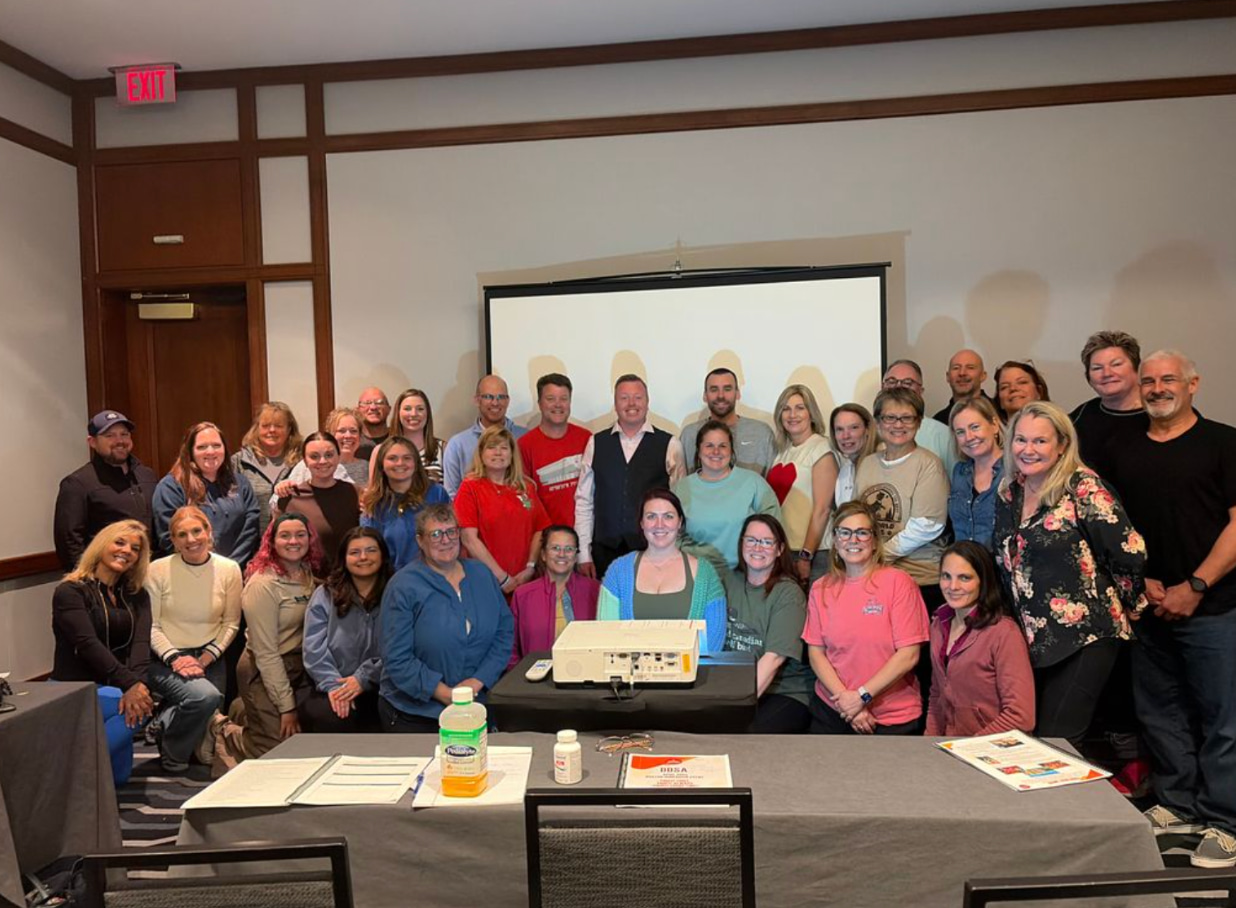
Tara and Skylor didn't need convincing to work harder. They were already doing plenty of that.
They needed help seeing what to change, deciding what came first and putting it into practice.
The results followed. Approximately $14,000 in additional enrichment revenue. A VIP boarding tier that accounted for 22% of sales when we spoke in Boston. And by Milton Keynes, they were reporting further revenue growth, improvements with the dogs and a happier team.
That's the work we do inside Dog Daycare Success Academy.
Over the first 12 months, we help you build one core business asset each month. Depending on what your business needs, that could mean improving your pricing, creating a premium offer or putting systems in place so every decision doesn't end up back on your desk.
You get weekly group coaching and Q&A, direct access to me for high-level asset coaching, and support from our coaching team, including Tim Jackson and Allison Jacobs.
Enrich University is included too. It's our 90-day programme for developing a structured enrichment offer that benefits the dogs and earns its keep.
And our quarterly International Immersion Events across the UK and USA give you time away from the daily demands of your business to work on what comes next, alongside owners who understand the challenges you're facing.
But you still have to do your bit.
As Tara and Skylor put it at Milton Keynes:
"The things that are taught are not meant to be done halfway."
Quite right.
If you're ready to stop collecting ideas and start installing the things your daycare actually needs to grow, come and join us inside Dog Daycare Success Academy.
Join the Top Dog Top Dollar Dispatch: My Weekly Sunday Briefing to Help You Command Premium Rates and Dominate Your Local Pet Market.
Every Sunday, I deliver the unfiltered marketing and operational blueprints I've used to help 2,500+ frustrated dog daycare owners, to stop running a low-margin facility and start building the most expensive (and most wanted) pet destination in town.
Author: Dom Hodgson
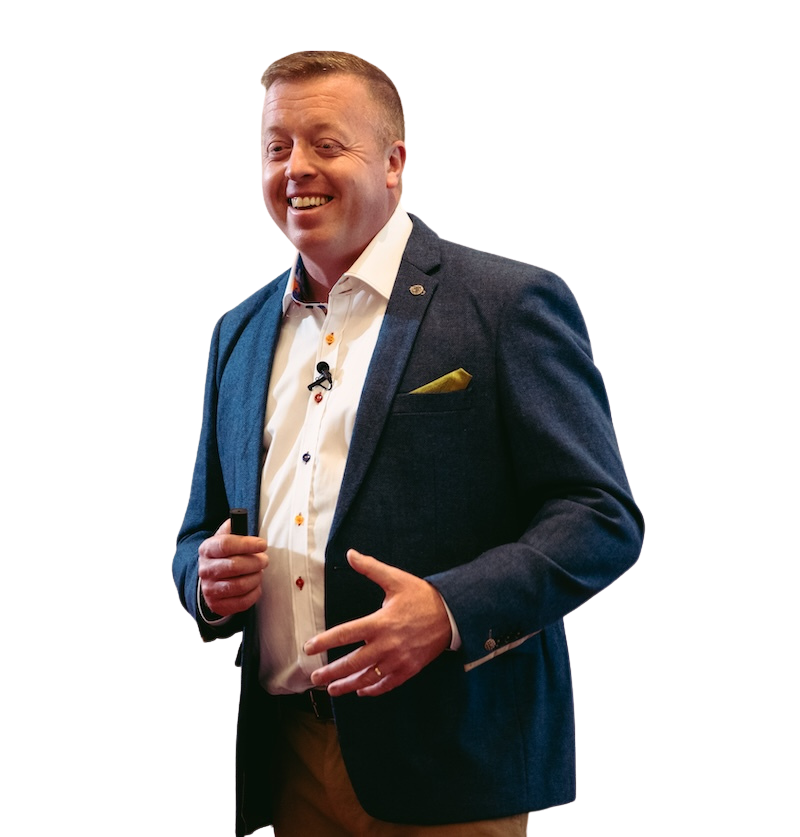
Dom Hodgson is known as 'The Pet Biz Wiz', and is widely regarded as the world's leading pet business coach and marketing strategist.
Author of 9 books, Dom is a much in demand speaker at pet business events all over the world. His mission is to help struggling pet business owners to unleash their potential, so they can create a super profitable, impactful, and industry enhancing business.
